The 8x6 Studio: What Britain’s Shed Podcasters Gain (and Give Up)

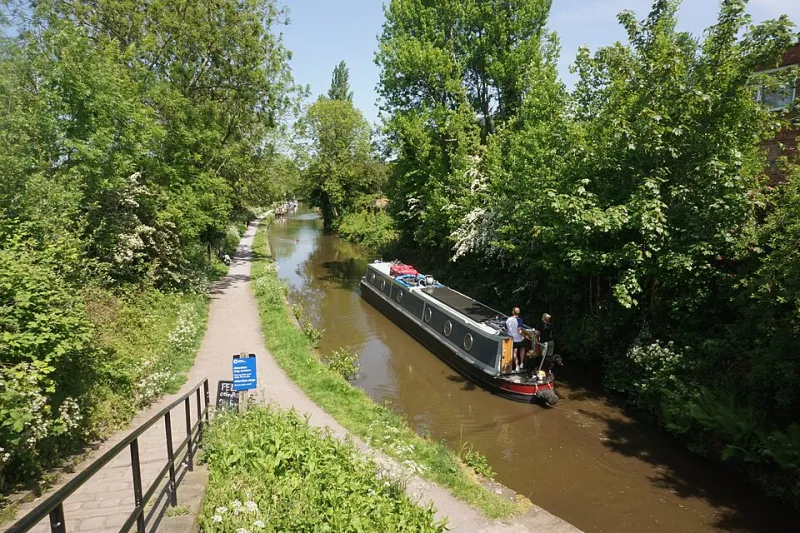
Photo by Photo by Chris Jones on Unsplash on Unsplash
There is a particular sound a shed makes when the door closes. Not quite a click, not quite a thud — more of a soft, timbered goodbye to the rest of the house. For a growing number of UK podcasters, that sound has become the real start of the recording session. Not the preamp warming up. Not the red light. The door.
As we head into winter 2026, the garden shed has quietly become one of the most useful bits of podcasting kit in Britain. It is not because sheds are fashionable, although they have had a moment. It is because a separate physical space does something a spare bedroom cannot: it draws a line between domestic life and recording life. The washing-up does not follow you down the garden. The dog does not settle under the desk. The parcel courier does not knock halfway through your best anecdote.
Why a shed, and why now?
The appeal is partly practical and partly psychological. In a flat or a terraced house, the spare room is never really spare. It is where the drying rack lives, where the ironing board leans, where someone stores the Christmas decorations and the good suitcase. Recording there means negotiating with all of that. A shed, even a modest 8x6, gives you a room that is only for one thing.
That single-purpose feeling matters. Podcasters who record in sheds tend to describe the same small shift: they stop waiting to feel creative and start treating the walk down the garden as a commute into the show. The format does not have to be grand. One microphone, a laptop, a camping chair that has seen better days — the shed does not care. It just needs to be somewhere you can be slightly boring in private for an hour.
There is also the matter of noise. A shed is not soundproof, whatever the internet says. But it can be a useful buffer. You are further from the fridge hum, the boiler, the neighbour’s telly and the general clatter of a household. That distance buys you options: you can record at 8pm without feeling like you are performing to the landing, and you can leave the microphone set up between sessions. For anyone making a weekly show, that last point is underrated. Faff is the enemy of consistency.
Three sheds, three workflows
Among the shed-made shows we have been listening to this autumn, the setups are less glamorous than the phrase ‘garden studio’ suggests — and better for it.
In Leeds, the team behind Allotment Frequency record in a painted 8x6 with a single dynamic microphone, a foam-lined cupboard for the laptop, and a strict rule that nobody brings a mug of tea past the threshold. The show is about growing food on small plots, and the shed doubles as a potting bench when the recording gear is packed away. The presenters say the best thing about it is not the acoustics. It is the ritual: open the door, switch on the heater, wait ten minutes, start talking.
In Norfolk, Silt & Static uses a slightly larger shed with a proper consumer unit and an armoured cable run from the house. It is the most ‘done’ of the three, with insulated walls, a small oil-filled radiator and a carpet offcut that has eliminated a surprisingly annoying flutter echo. The show is an audio drama about coastal erosion, so the occasional distant gull is not a problem — it is a location cue. The producer’s advice is blunt: spend on power and insulation before you spend on microphones. ‘You can fix a dull mic later,’ she says. ‘You cannot fix a cold shed in February.’
In Sheffield, Two Chairs and a Thermos records in a shed that is, by the presenter’s own admission, ‘mostly a shed’. No permanent power. No heating. A battery-powered recorder, a USB mic running from a power bank, and a flask. It works because the show is a 25-minute chat between two friends, recorded in one take, and because they only use it from March to October. The rest of the year they record in a community centre. That is not a failure. It is a schedule that matches the room.
The boring bits that decide everything
If you are eyeing up the patio, the romance of the shed will meet three unromantic realities: power, moisture and heat.
Power first. An extension lead trailed across wet grass is not a plan; it is a future incident. If you want permanent electricity, get an electrician to run a properly protected supply with an RCD, and check whether your consumer unit has room for another circuit. If you are renting, or the budget is tight, a high-capacity power bank and a recorder with good battery life will get you further than you think. Just do not assume a cheap inverter and a car battery are a shortcut. They are a hobby within a hobby.
Moisture is the quiet killer. Sheds breathe, or they should. If you seal one up and heat it without ventilation, you get condensation, damp gear and a smell that no amount of cedar diffuser will fix. A small dehumidifier can help, but only if the shed is reasonably airtight and insulated. Otherwise you are trying to dry the weather.
Heat matters more than most people expect. Cold air changes how a room sounds, and it definitely changes how long you can sit in it. A low-wattage oil-filled radiator on a timer is a common solution. So is a heated mat under your feet, which sounds ridiculous until you try it. Avoid anything with a fan if you can — the microphone will hear it, and so will your editor.
Acoustic treatment without a mortgage
A shed is not a studio. It is a small wooden box with parallel walls, a hard floor and a roof that may or may not announce the rain. That is fine. You are not trying to build Abbey Road; you are trying to stop your voice bouncing around like a marble in a biscuit tin.
Start with soft things at the reflection points. A heavy duvet hung behind the microphone, a rug on the floor, bookshelves with actual books, a coat rack with actual coats. Move the microphone away from the centre of the room and closer to one wall, then speak across the space rather than into the longest dimension. If you have a corner, treat it. Bass builds up in corners, and a simple floor-to-ceiling trap made from mineral wool and breathable fabric will do more than a wall of cheap foam triangles.
And yes, the duvet fort is allowed. It looks ridiculous. It works. The PodBox position is that nobody has ever listened to a great podcast and thought, ‘I wish the host had spent more on acoustic panels and less on the edit.’
Neighbours, planning and the social contract
A shed is not a licence to become a bad neighbour. Before you record, tell the people over the fence what you are doing and when. Most will be fine. Some will be delighted. A few will have a strong opinion about the phrase ‘just an hour on a Tuesday’. Be specific about times, keep amplified sound out of the garden, and do not record at 7am on a Sunday unless you have a very good reason and a very understanding street.
Planning rules are their own maze. Small outbuildings often fall within permitted development, but height, position, use and whether you are in a conservation area all matter. If you are unsure, check with your local council before you build. This is not legal advice; it is the sort of advice that saves you a letter.
A realistic shed checklist for 2026
- Measure the actual footprint, then subtract a metre for the door swing, the heater and the bit where you will inevitably stack boxes.
- Decide whether you need permanent power. If yes, budget for an electrician before you budget for a microphone.
- Insulate the walls and roof, but leave a route for ventilation.
- Plan for condensation: a dehumidifier, a hygrometer, or both.
- Treat the first reflection points before you buy another mic.
- Test the noise floor at different times of day: bin day, school run, lawnmower hour.
- Tell the neighbours. Then tell them again when the schedule changes.
- Keep a backup recording space for the coldest weeks, or accept a seasonal break.
- Do not leave condenser microphones in an unheated shed over winter.
- Remember that a shed is a room, not a personality. The show still has to be good.
What you give up
A shed will not make you a better interviewer. It will not write your script or fix your levels. It will cost more than you expect, take longer to finish than you promised, and at some point you will have to rescue a spider from the pop filter. In January, it will be cold enough to make you question the whole idea.
But it gives you something the spare room rarely does: a boundary. A place where the show begins and the rest of the house waits. For a lot of UK podcasters in 2026, that is worth the walk down the garden. Even when it is raining. Especially when it is raining.