The Room Is Part of the Show: Making UK Live Podcast Recordings Worth Hearing
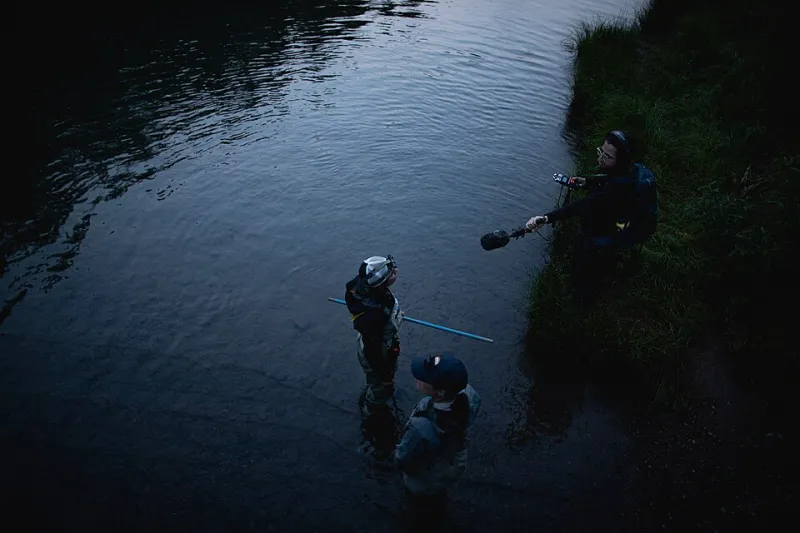
Photo: GlacierNPS, Public domain, via Wikimedia Commons
Live podcast recordings have become part of the UK's cultural furniture. In 2026 a show can sell out an arts centre in Bristol, squeeze into a pub back room in Sheffield, or tape in front of a comedy festival crowd who have had two pints and a bag of crisps. The energy is real. The audio often is not.
Too many live episodes arrive in the feed sounding like a room recording with a podcast attached: muddy voices, applause that swallows the punchline, an audience Q&A that goes on longer than the second half, and a host who says we will fix it in the edit as if the edit is a magic wand. It is not. A live recording needs a different plan from a studio session, not a looser one.
The room is the co-host
The first mistake is treating the venue as a backdrop. A village hall with a high ceiling, a pub room with a low beam and a comedy tent with canvas walls are three different acoustic environments. They will all colour the recording. Walk the room before doors open. Clap once. Listen for the slap-back off the back wall. If the room rings, you need more soft furnishing or closer mic technique, not more volume.
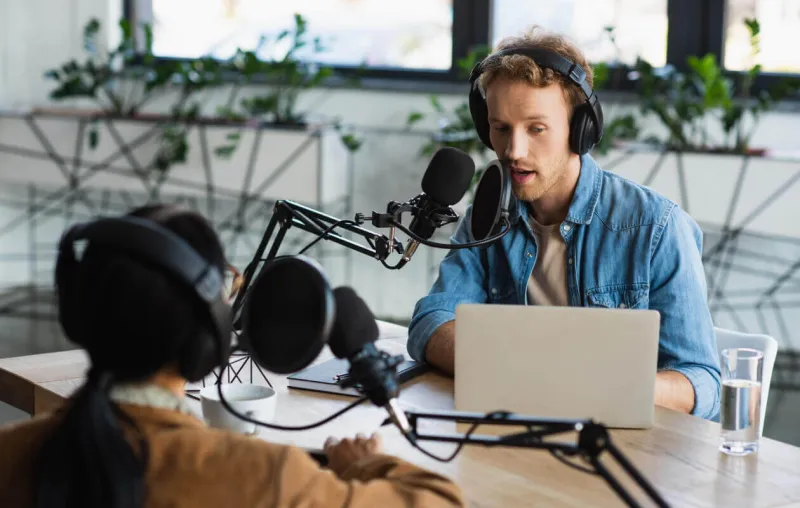
For spoken-word podcasts, dynamic mics are usually the safer bet than studio condensers. They reject some of the room and make it easier to keep the host and guest sounding present. Put a mic on every person who will speak, including the guest you think will only say a few words. The audience member who asks the best question of the night should not sound like they are calling from a tunnel.
Soundcheck like you mean it
A proper soundcheck is not the host saying check, check, one two while the technician nods. It is a short rehearsal of the actual event. Get the host and any co-host to talk at performance volume. Not their polite soundcheck voice. The voice they use when the room is full and they are trying to land a joke. Ask them to interrupt each other, laugh, move their heads, and lean away from the mic. That is the audio you will be editing.
Record multitrack if you can. One track per speaker, plus a room mic and a feed from the venue desk if there is one. Multitrack is not a luxury for live podcasts; it is the difference between a salvageable episode and a muddle. If you are recording a panel of five people on a single stereo pair, you are asking for trouble.
Monitor with headphones that actually seal. The host does not need to hear the room exactly as the audience does. They need to hear their own voice and enough of the room to know when to pause. If the venue cannot provide a decent monitor mix, bring a small mixer and someone who knows how to use it. This is not the moment for a friend of a friend with a spare cable.
The audience is an instrument, not a backing track
Crowd noise is part of the appeal of a live episode. It is also the thing most likely to ruin the listen. Applause is fine in small doses, but a wave of laughter that lasts twelve seconds can bury the next line. Brief the audience before you start. Ask them to laugh, react, and keep questions short. Tell them the recording will be edited, so pauses are fine. A calm audience is usually a better audience.
Do not let the Q&A become the whole show. It is tempting because the room enjoys it, but the listener at home has no visual context. They cannot see the shy person in row three or the running joke that developed in the bar beforehand. Pick two or three questions, repeat them clearly into a mic, and cut the rest. If an audience member gives a long preamble, summarise it in the edit or leave it out.
Edit for the listener, not the room
The live episode should not feel like a recording of a night out. It should feel like a podcast that happened to be recorded in front of people. That means tightening the opening, cutting the technical faff, and getting to the first proper idea quickly. It also means managing applause. Fade it down rather than cutting it dead. Use room tone from the same venue to smooth edits. Do not slap studio reverb on a village hall recording and pretend it was always that warm.
If the live show ran long, split it. Two tight episodes are better than one bloated one. If a guest was hard to hear, consider a short studio pick-up to clarify a key point, clearly framed as an addition rather than a secret fix. Transparency is part of the PodBox house style. Listeners forgive a live episode that sounds honest. They do not forgive one that sounds careless.
The pre-show checklist
Before doors open: walk the room, test every mic at performance volume, record a minute of room tone, check multitrack, check headphones, and agree who is watching levels during the show. Before you start: brief the audience, ask for short questions, and tell the host where the edit will happen. After the show: back up the files before the pub. That last one is not a technical tip. It is survival.
Live podcast recordings are a brilliant way to build a room around a show. But the room is not the product. The episode is. Treat the soundcheck as part of the editorial process and the edit as the final performance. Then the person listening on the bus home gets the best of both: the crackle of a live audience and a podcast that actually makes sense.