Touchline Talk: Why Non-League Football Podcasts Are the UK's Best Kept Audio Secret
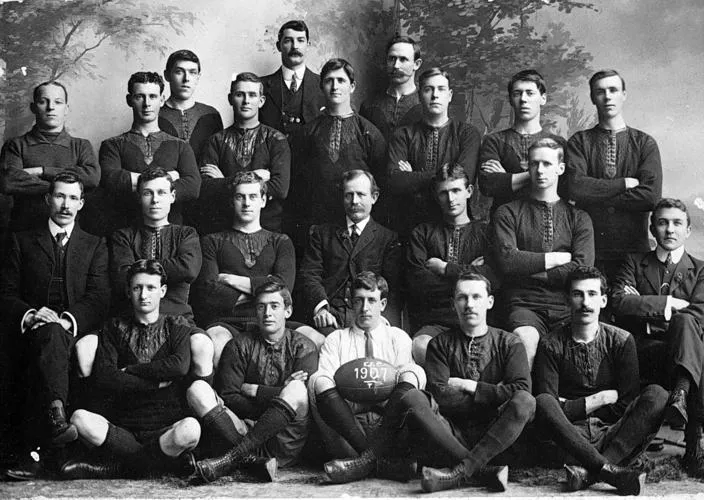
Photo: Unknown 1907, Public domain, via Wikimedia Commons
Non-league football has always had a soundtrack: the tea bar, the turnstile, the bloke shouting at the linesman, the coach who can be heard from the car park. In 2026, a growing number of fan-run podcasts are capturing it properly. Not with glossy montages or ex-pro pundits, but with a microphone in the clubhouse and a genuine interest in what happened on a wet Tuesday night in the Northern Premier League.
These shows are not a niche oddity anymore. They are part of how lower-league clubs talk to their supporters, how players and volunteers become known, and how away fans get a sense of a place before they visit. They are also, quietly, some of the most listenable football audio in the UK.
Why non-league audio is having a moment
Part of it is distrust. Big broadcast football coverage is polished, expensive and increasingly remote. It knows the Premier League intimately and the rest of the pyramid vaguely. A fan-run podcast covering a Step 4 club knows the reserve keeper's day job, the chairman's latest planning headache and which pub the away support will be in by noon. That specificity is the appeal.
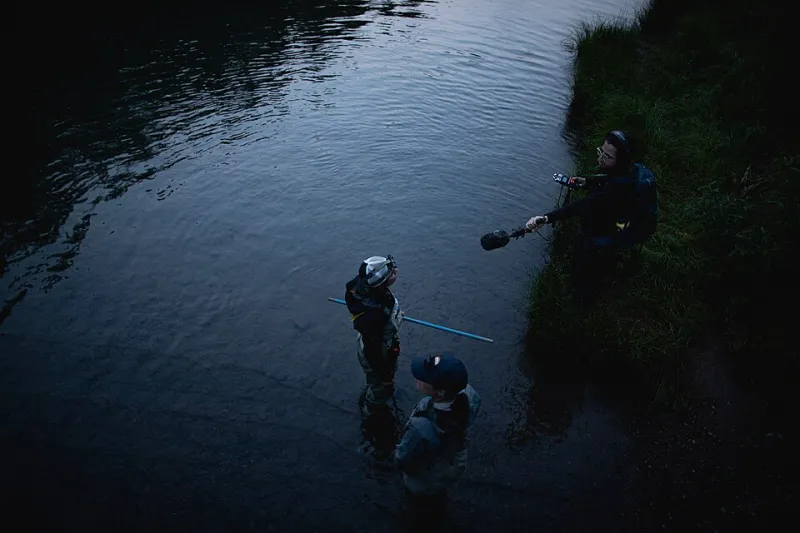
The tools have helped. In 2026 a decent portable recorder, a couple of dynamic mics and a free editing app can get you a long way. You do not need a studio to make a show that sounds like it comes from somewhere. You need access, consistency and a decent pair of headphones. The best non-league podcasts have all three.
There is also a hunger for local identity. National football media tends to flatten clubs into brands. Non-league podcasts do the opposite. They make a club feel like a place with a history, a cast of characters and a slightly ridiculous away trip that nobody wants to miss.
The matchday diary format
The most effective shows often use a simple structure. Pre-match: what is at stake, who is missing, what the mood is. Matchday: a few clips from the terrace, the half-time score, a quick reaction. Post-match: a player or manager interview, or a fan round-up on the way home. It is not revolutionary. It is just honest.
Audio diaries work especially well because they capture texture. The sound of a coach pulling into a services on the M6. A volunteer explaining how the pitch passed a morning inspection. A manager who is tired but generous with his time. These are the bits that make a small club feel real to someone who has never been.
One word of warning: do not let the diary become an unedited ramble. The best shows cut hard. They keep the atmosphere but lose the dead air. A five-minute matchday diary can say more than a forty-minute post-match debrief.
Trust is the currency
Non-league clubs are community institutions, and the people around them are often volunteers. A podcast that treats them as content will not last. The shows that thrive build trust slowly. They turn up when it is raining. They do not ambush interviewees. They spell names right. They understand that a manager might not want to talk after a heavy defeat, and they do not make a fuss about it.
That trust pays off in access. A fan-run show that has been consistent for two seasons can get the chairman, the captain and the tea bar volunteer on the record. A bigger outlet might get one phone call. The smaller show gets the story because it has been there all along.
It also pays off with listeners. Non-league audiences are small but loyal. They do not need a podcast to be outrageous or argumentative. They want to hear their club discussed seriously, with a bit of humour and without the sneering tone that sometimes creeps into national coverage of the lower leagues.
What the big players miss
Big broadcasters could learn a lot from this scene. Not by copying the lo-fi sound, but by copying the closeness. Non-league podcasts understand that football is a social ritual as much as a sport. They cover the pub, the coach, the volunteers, the away day. They know that a 0-0 draw in February can be a richer story than a Champions League group game.
They also understand pacing. A good non-league podcast does not pad itself out with transfer gossip it cannot verify. It tells you what happened, who said what, and why it matters to the people who were there. That is a useful discipline for any football show.
Where to start
If you are new to the scene, look for shows attached to a club you can actually visit. Search the club name plus podcast, check the last few episodes, and see whether the host sounds like a supporter rather than a broadcaster. Look for matchday diaries, clubhouse interviews and away-day specials. If a show has a running joke about a particular turnstile, you are probably in the right place.
Do not expect Premier League production values. Do expect to learn something about a place. The best non-league podcasts are not trying to compete with the big shows. They are doing something the big shows cannot: covering a club from the inside, with the mud still on their boots.
In 2026, that is worth your ears. Stick one on before your next away trip. You might find yourself checking the fixture list for a ground you have never heard of.