Weed It and Reap: Inside the Slow, Season-Long World of UK Allotment Podcasts
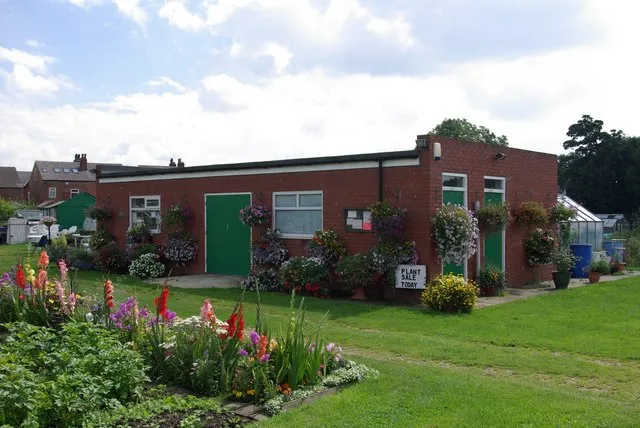
Photo: Alan Gerrard, CC BY-SA 2.0, via Wikimedia Commons
There's a sound that gives an allotment podcast away within seconds: a kettle clicking off, a gust rattling a shed roof, and a voice saying, 'Now, the thing about leeks...' as if the rest of the world can wait. It can, and on these shows it does.
Britain has thousands of allotment sites and a long, stubborn love affair with growing things in small spaces. It was only a matter of time before the plot-holders started pressing record. What's striking isn't that these podcasts exist — it's how they work. They ignore the news cycle almost entirely. They are commissioned, in effect, by the weather, the daylight and the seed catalogue. And they have some of the most loyal listeners in UK audio.
The shed is the studio
You don't need a treated room to make a garden podcast. You need a room that sounds like where the show happens. For most allotment creators that means a shed with a mugs-and-trowels acoustic, a phone propped on a shelf next to a bag of blood, fish and bone, and a windbreak made from an old fleece stapled to a fence.
The results are not pristine. They are better than pristine: they are place-specific. Listeners can hear the difference between a Bristol plot on a wet Tuesday and a Leeds allotment in high summer. The ambient noise — distant traffic, a neighbour's radio, the clatter of a watering can — does the work that a jingle would do on a slicker show. It tells you where you are.
If you're recording outdoors, the practicalities are simple but non-negotiable. A foam windshield over the phone mic, a recorded 'room tone' of two minutes of nothing so you can patch gaps later, and a hard rule about not recording in wind above a stiff breeze. The rest is tea and timing.
Planning by daylight, not by headlines
A news podcast wakes up and asks what happened. An allotment podcast wakes up and asks what's ready. That single shift changes everything about production.
Most of these shows plan in blocks that follow the growing season rather than the calendar month. January is seed-ordering and catalogue-reading — the audio equivalent of a planning meeting, full of variety names and quiet optimism. February and March are propagation, chitting, the first sowings under cover. April to June is the sprint: hardening off, planting out, the panic about late frost. July and August are harvest and hosepipe politics. September and October are seed-saving and the great tidy-up. November and December are reflection, tool maintenance and, if the podcaster is wise, banking episodes for the lean weeks.
The smart producers record ahead. An episode about tomato blight doesn't need to be published the day the blight arrives; it needs to be published the week listeners are nervous about it. The RHS website and the National Allotment Society's guidance become research documents. Frost dates become deadlines. The calendar is the commissioning editor, and it never asks for a hot take.
Gossip is the content
Here's the secret of the genre: the best allotment podcasts aren't really about gardening. They are about the allotment. That means the committee politics, the rogue bonfire, the person on plot 14 who grows achocha and won't say where she got the seed, the perennial argument about strimming the paths.
Seed swaps are audio gold. You get the small rituals — the folded envelopes, the handwritten labels, the negotiations — and you get stories. A seed swap is a room full of people who all believe next year will be better, and that's a universal feeling dressed up in a marigold glove.
The mistake new creators make is to treat this as filler between 'proper' advice segments. It's the opposite. The advice is the filler. The voices are the show. Record the swap, record the tea break, record the three-minute chat over the fence about whether the broad beans are in yet. Then edit it so it sounds like the best three minutes of a very long day.
Loyalty is local, and then it travels
Allotment podcasts rarely top the charts. They don't need to. Their audiences are small, specific and unusually committed. A hundred listeners who all grow the same variety of tomato is a different kind of audience from a hundred thousand who half-listen on the drive to work. These are people who will email photographs of their courgettes. They will turn up to the site open day because they heard about it on the show.
The local angle is the engine. A podcast made for one allotment association can still travel, because the specifics are what make it universal — the same worries about slugs and rainfall, the same absurd pleasure of a good compost heap. Diaspora gardeners, flat-dwellers with a single window box, and curious listeners who just like the sound of a shed all find their way in.
What slow-niche creators can steal
If you make a podcast in any patient niche — crafting, birdwatching, local history, slow travel — the allotment model offers a few quiet lessons.
First, let the subject set the schedule. Publish when there is something to say, not because a slot demands it. Second, bank episodes against the quiet months; a buffer of three or four finished shows is a form of self-care. Third, treat ambient sound as a feature, not a fault — but record it deliberately and clean it up where it hurts. Fourth, build the show around people, not just information. Fifth, keep the invitation open: listeners who send in a question or a clip become part of the plot.
And sixth, don't be afraid of the kettle. The sound of someone making tea before they answer a question is not dead air. It's the whole point.
Search 'allotment' in your podcast app and you'll find diaries, interview shows, kitchen-garden rambles and full-blown site sagas. Start with one recorded in a shed, on a wet day, with a mug in shot. You'll hear the genre immediately — and you'll probably stay for the season.