The Parcel That Says You Matter: Inside the UK Podcast Merch Box Boom
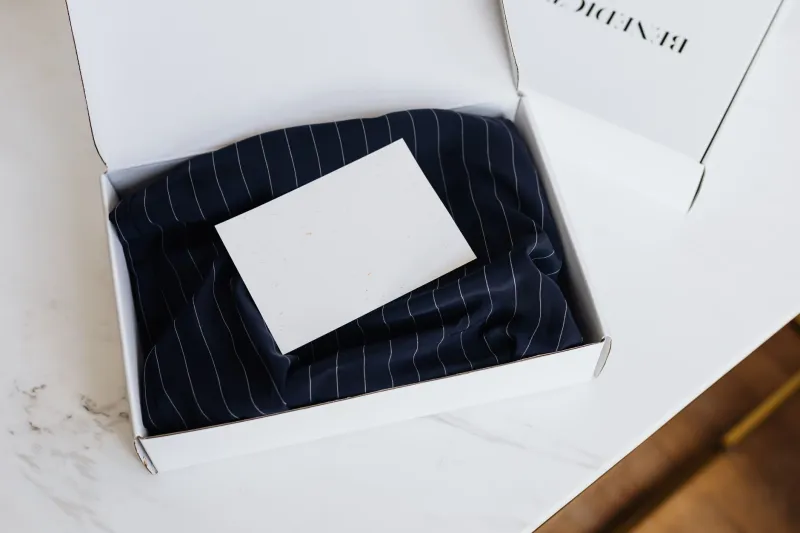
There's a particular noise a padded envelope makes when it lands on a laminate floor in a shared flat: halfway between a thud and a shrug. For a growing number of UK podcast listeners, that noise now means something more than a delivery. It's a small, tangible receipt for hours of free listening.
Limited-run merch boxes have quietly become the indie podcaster's answer to the pledge tier. Rather than a monthly direct debit that buys a Discord role and a warm feeling, creators are posting out a handful of objects once or twice a year — an enamel pin, a riso-printed zine, a cassette of the live show, a tea towel with a running joke printed on it in a typeface that only makes sense if you've heard episode 41.
The timing of this piece is not accidental. We're into November, the gift-buying window is open, and a lot of small shows are discovering that a box is a far easier thing to ask for than a subscription.
Why a pin badge can land harder than a pledge tier
Nobody is writing off Patreon or its many cousins. They still do the job for plenty of shows, particularly those with a bonus-episode pipeline that runs on rails.
But for a 900-download podcast run by two people with day jobs, the standard tier ladder can feel like renting a room you never use. Supporters sign up at £5, get the extra audio, and then quietly forget which of the eleven podcasts they back is which. The friction is invisible but real.
A physical box resets that relationship. It arrives, it gets unboxed on a kitchen table, it ends up on a shelf or a tote bag. The listener has something to hold while they're waiting for the next episode, and the creator has a reason to write a proper thank-you note. That's community-building you can put in a drawer.
There's also a softer commercial logic at work. A one-off £18 box is an easier sell in December than a subscription that renews in perpetuity, especially to the listener's mum, who has heard the show playing from the kitchen and would quite like to buy something for it.
The maths that sinks the unprepared
The ugly truth about merch is that the postage is the product. Get it wrong and a lovely box becomes a loss-making exercise with a queue at the Post Office attached.
Start with weight. Royal Mail's Large Letter bands do a lot of heavy lifting for small shows — a pin, a sticker sheet and a slim zine can often slip under a threshold that keeps the cost sane. Add a cassette case, a mug or a chunky zine and you're into Small Parcel territory, and the price per unit moves in a way that catches people out.
Then there's the pick-and-pack. Assume 90 seconds per box once you've got a rhythm: folding, checking the address, sealing, labelling. That's two and a half hours for a hundred boxes and more than seven for three hundred, before you've counted a single person's name by hand. Click & Drop and similar tools save you the queue, not the folding.
And finally, the returns. Some parcels will arrive damaged. Some will go to an old address because someone moved in September. Budget a small allowance for replacements and don't treat a resend as a disaster — treat it as the cost of doing it properly.
What actually goes in a good box
The best indie boxes follow a rough rule of four: something to wear or carry, something to read, something to keep, and something that could only have come from this show.
That last item is the one that matters. A generic tote with a logo is a nice thing; a folded A5 zine of the listener emails that never made it to air is a souvenir. Cassettes have made an unexpected comeback here precisely because they feel like an artefact rather than a purchase — a physical copy of an audio thing, which is a neat joke when you think about it.
What to leave out is just as important. Resist the urge to stuff the box. Cramming in six items raises your postage band, your packing time and the chance that something splits in transit. Three or four good objects with a consistent visual identity will beat a lucky dip every time.
And write the note. Actually write it, by hand, even badly. Ask anyone who's ever run a small shop: it's the bit people photograph.
The 2026 gift season question
If you're planning a drop for December 2026, the calendar is already tight. Printers want lead time, especially for riso work and anything with a bespoke die. Realistically, a domestic dispatch cut-off of early December is the sensible line to advertise, with a slightly earlier date for anything heading outside the UK.
Be honest on the product page about timing. "Posted by 4 December" is a promise; "should arrive before Christmas" is a hostage to fortune and to a sorting office in bad weather.
There's also a school of thought that says skip December entirely and run a box in February, when the listening year is quiet and nobody is competing with the entire high street. Both work. What doesn't work is launching in the last week of November and wondering why the printer has stopped replying.
Start with fifty
If you're a show with a few hundred regular listeners, the temptation is to order in bulk and get the unit price down. Resist it. Order fifty. Sell them. Learn what the postage actually cost, how long the packing took, whether the pin clasp is any good.
Then do it again in the spring, better. The parcel on the doormat is a lovely thing. The spreadsheet behind it needs to be at least as sturdy.